Garden hose spigot adapters are essential for connecting hoses to outdoor faucets, allowing gardeners to effectively water plants, wash cars, and perform various outdoor tasks. However, like any mechanical component, these adapters can encounter issues that hinder their performance. This article explores the common problems associated with garden hose spigot adapters and provides practical solutions to fix them.
Understanding Garden Hose Spigot Adapters

Before diving into the problems, it’s important to understand what a garden hose spigot adapter is. These adapters connect the standard garden hose to a spigot, which is typically a threaded faucet. They come in various materials, including plastic, brass, and stainless steel, each with its own set of advantages and disadvantages.
Common Problems with Garden Hose Spigot Adapters
Below are some of the most frequent issues encountered with garden hose spigot adapters, along with potential fixes.
1. Leaking Connections
One of the most common problems with garden hose spigot adapters is leaking connections. This can occur due to several reasons:
- Worn Out Washers: The rubber washers that provide a seal can wear out over time, leading to leaks.
- Improper Installation: If the adapter isn’t screwed on tightly enough, it can create gaps that allow water to escape.
- Corrosion: Metal adapters can corrode from exposure to water and air, compromising their sealing capabilities.
To fix leaking connections:
- Inspect and replace worn-out washers with new ones that fit the adapter.
- Tighten the connection carefully, ensuring not to overtighten, which can damage threads.
- If corrosion is present, consider replacing the adapter with a new one made from more durable materials.
2. Cross-Threading
Cross-threading occurs when the adapter is not aligned correctly with the spigot’s threads, causing it to screw in at an angle. This can lead to damage to both the adapter and the spigot.
To avoid cross-threading:
- Before attaching the adapter, check that the threads are clean and free of debris.
- Begin screwing the adapter onto the spigot by hand, ensuring it is straight before using a wrench.
- If cross-threading has already occurred, you may need to replace either the spigot or the adapter, depending on the extent of the damage.
3. Incompatibility Issues

Not all garden hose spigot adapters are created equal, and using the wrong adapter can lead to poor performance or irreversible damage.
- Thread Size: The most common sizes for garden hoses are 3/4 inch and 1/2 inch. Check the specifications of both your hose and spigot to ensure compatibility.
- Material Mismatch: Using plastic adapters on metal spigots can lead to cracks and breaks, especially in extreme temperatures.
To address incompatibility issues:
- Always verify the thread size of both the hose and the spigot before purchasing an adapter.
- Consider using adapters made from the same material as your spigot for better durability.
4. Difficulty in Removing the Adapter
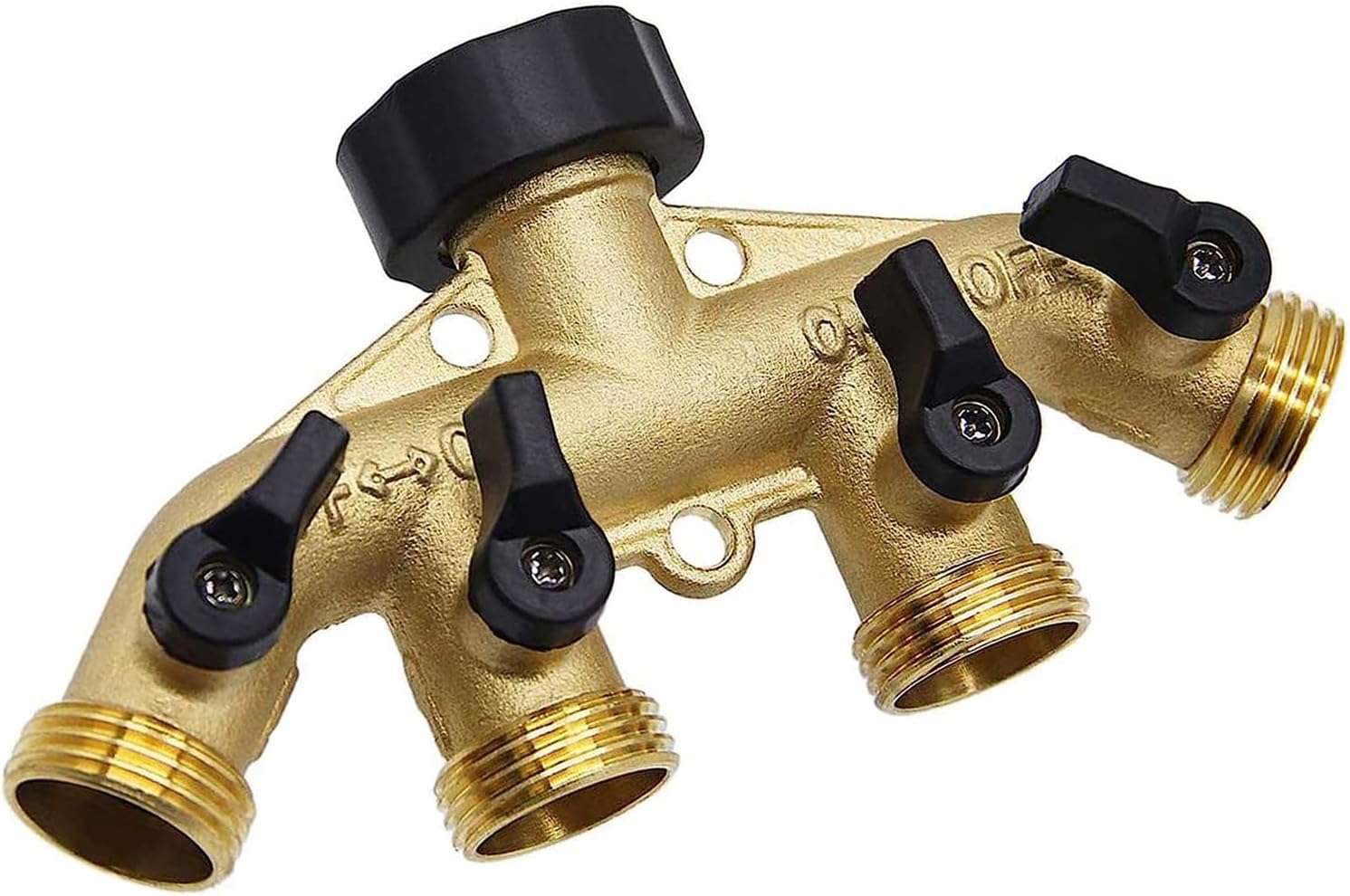
Over time, garden hose spigot adapters can become stuck due to mineral buildup, corrosion, or simply being tightly secured. This can make it challenging to remove the adapter when it’s time for maintenance or storage.
To effectively remove a stuck adapter:
- Use a penetrating oil like WD-40, applying it to the threads and letting it sit for a few minutes to loosen any rust or mineral deposits.
- Use a strap wrench for better grip without damaging the adapter or spigot.
- If all else fails, carefully cut the adapter off with a hacksaw, but be cautious not to damage the spigot itself.
5. Temperature Sensitivity
Temperature changes can significantly affect the performance of garden hose spigot adapters. Plastic adapters, in particular, can become brittle in cold weather, while metal adapters may expand and contract, leading to leaks.
To mitigate temperature sensitivity:
- Store adapters indoors during extreme temperatures to prolong their lifespan.
- Consider investing in high-quality adapters designed to withstand temperature fluctuations.
Case Studies: Real-Life Examples

To further illustrate these issues and solutions, let’s look at a few real-life examples.
Case Study 1: The Leaky Spigot

Jane, a homeowner in Florida, noticed that her garden hose was dripping constantly. After inspecting the adapter, she discovered a worn-out rubber washer. By replacing the washer, she was able to eliminate the leak and save water.
Case Study 2: The Stuck Adapter
Mike, a gardener in New York, encountered a stuck adapter after a harsh winter. After applying penetrating oil and using a strap wrench, he successfully removed the adapter without damaging the spigot.
Statistics on Water Loss
According to the U.S. Environmental Protection Agency (EPA), leaks from faucets and hoses can waste more than 1 trillion gallons of water annually in the United States alone. This highlights the importance of maintaining garden hose spigot adapters in good condition to reduce water waste and conserve resources.
Preventive Measures

To avoid these common problems, consider the following preventive measures:
- Inspect your adapters regularly for signs of wear and tear.
- Store hoses and adapters properly after use to avoid damage.
- Use Teflon tape on threads before screwing in the adapter to create a better seal.
Garden hose spigot adapters are vital components of outdoor watering systems, but they can experience various issues that affect their functionality. By understanding the common problems such as leaks, cross-threading, incompatibility, difficulty in removal, and temperature sensitivity, homeowners can take proactive steps to fix and maintain their adapters. Regular inspections, proper storage, and the use of quality materials can significantly extend the life of these adapters and help conserve water. With the right knowledge and tools, anyone can address these issues, ensuring a more efficient and effective gardening experience.