The aesthetic and functional aspects of a dock are greatly influenced by the materials used, particularly when it comes to the dock rope railing. Selecting the right materials not only enhances the visual appeal but also ensures safety, durability, and maintenance ease. This article delves into the key considerations for choosing the right materials for your dock rope railing, exploring various options, their advantages, and examples to aid your decision-making process.
Understanding the Purpose of Dock Rope Railings
Before diving into material selection, it is essential to understand the primary functions of dock rope railings. These railings serve several purposes:
- Safety: They provide a barrier to prevent falls into the water.
- Aesthetic Appeal: A well-designed railing enhances the overall look of the dock.
- Guide for Navigation: They help boaters navigate safely in and out of the dock area.
- Durability: They withstand various weather conditions and the wear and tear of water exposure.
Key Considerations for Material Selection

When choosing materials for your dock rope railing, several factors come into play:
- Durability: Materials must withstand harsh weather conditions, UV exposure, and saltwater corrosion.
- Maintenance: Consider how much upkeep the material will require over time.
- Aesthetic Compatibility: The material should match the overall design and feel of the dock.
- Cost: Budget constraints can significantly influence material choice.
- Environmental Impact: Consider the sustainability of materials used.
Popular Materials for Dock Rope Railings
Now that we have established the considerations, let’s explore some popular materials for dock rope railings.
1. Marine-Grade Stainless Steel
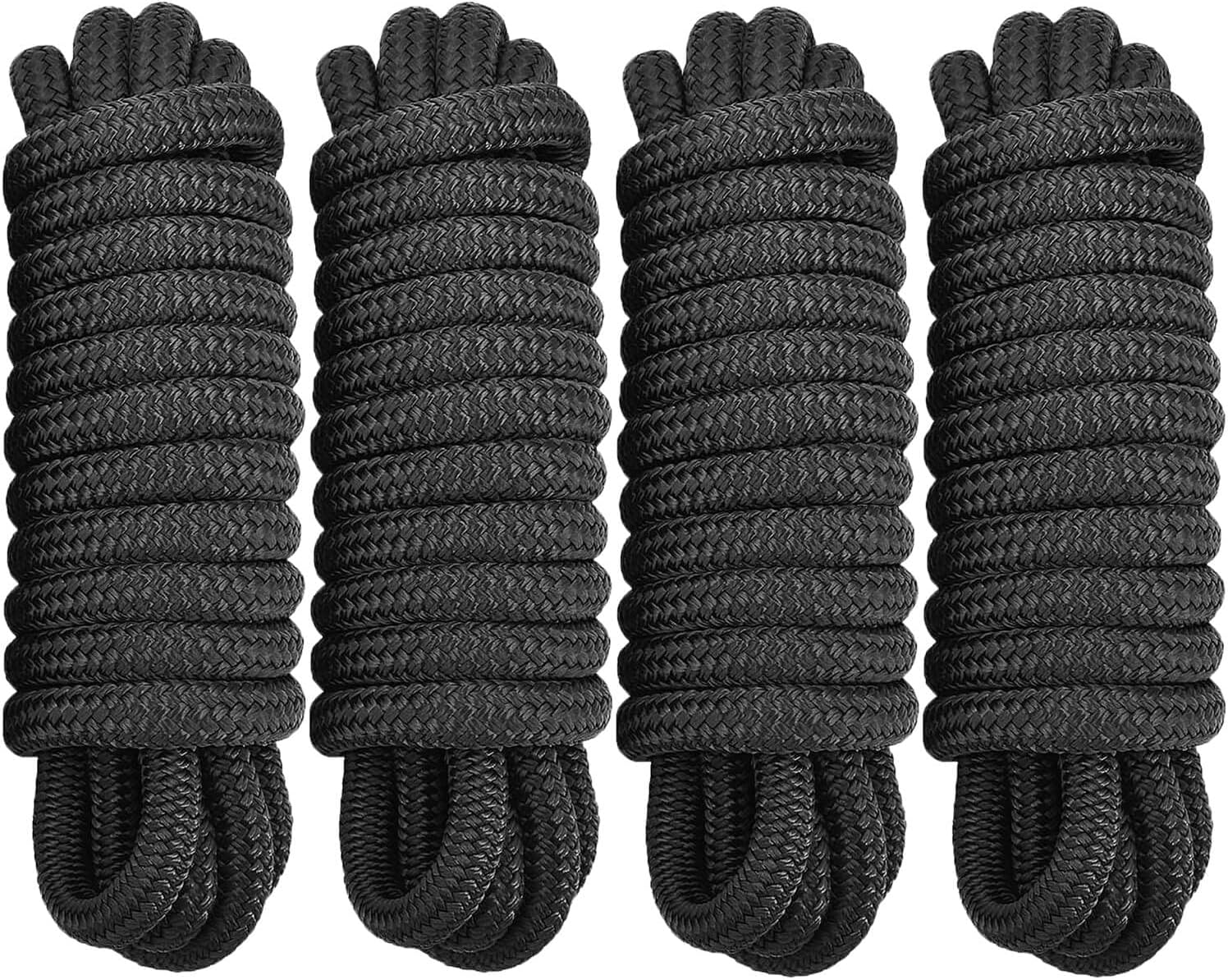
Marine-grade stainless steel is one of the most reliable choices for dock railings due to its excellent resistance to rust and corrosion. This material is particularly suited for maritime environments where exposure to saltwater is prevalent.
- Durability: Offers long-lasting performance with minimal wear.
- Low Maintenance: Requires little upkeep; regular cleaning with freshwater can maintain its shine.
- Aesthetic Appeal: Provides a modern, sleek look that complements various dock designs.
For instance, a marina in Florida opted for marine-grade stainless steel railings which significantly reduced maintenance costs and enhanced safety for boaters.
2. High-Density Polyethylene (HDPE)
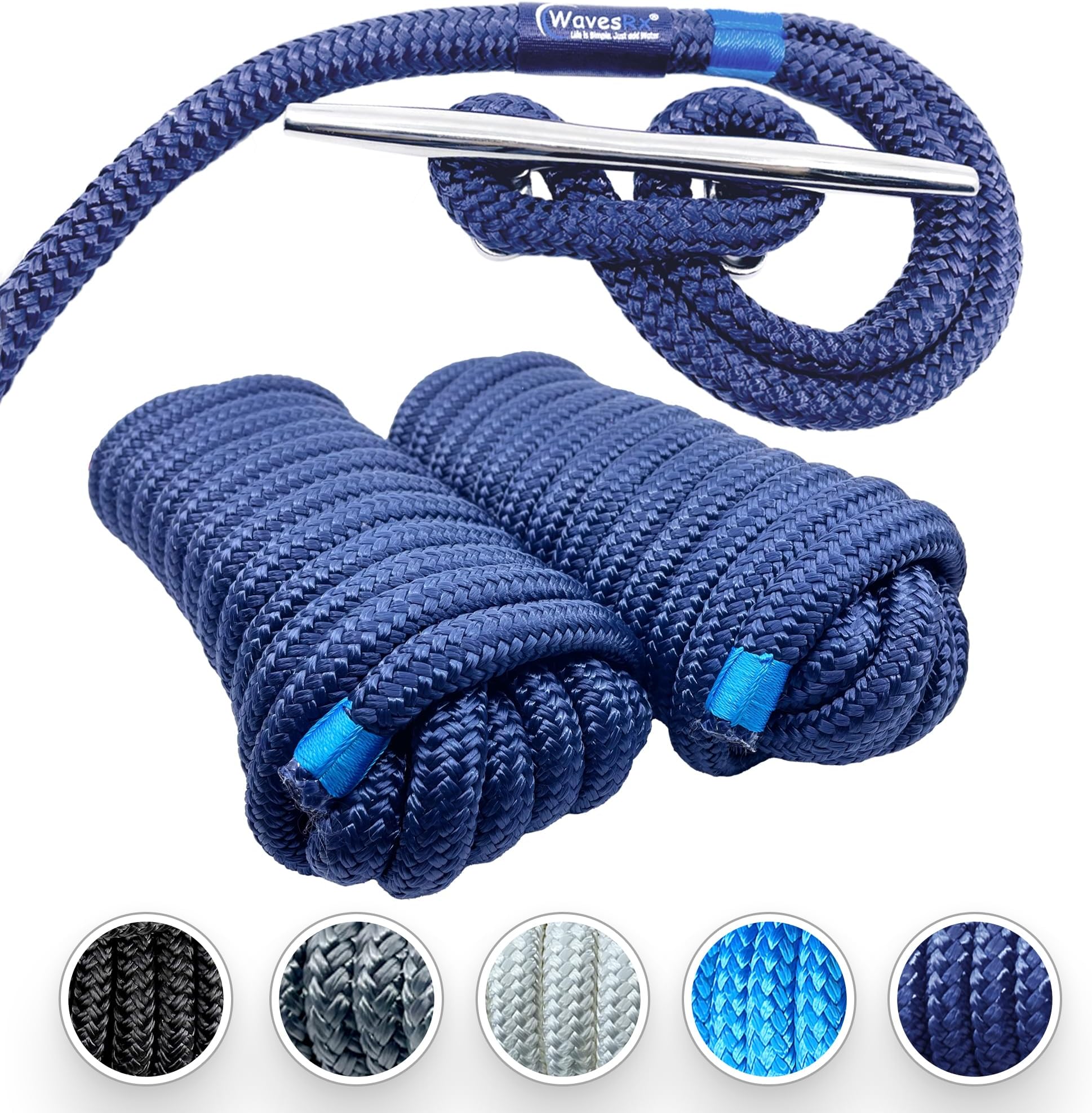
HDPE is a robust plastic that is known for its resistance to impact, moisture, and UV rays. It is an excellent choice for those looking for a low-maintenance yet durable option.
- Weather Resistance: Does not warp, crack, or fade easily.
- Color Variety: Available in various colors, allowing customization to match dock aesthetics.
- Sustainability: Often made from recycled materials, making it an eco-friendly choice.
An example of HDPE usage can be seen in a community dock in Oregon where the local government chose it for its durability and low environmental impact, leading to a 30% reduction in yearly maintenance costs.
3. Natural Rope Materials

Natural rope materials, such as manila or sisal, can create a rustic and traditional look for dock railings. However, they come with specific considerations.
- Natural Aesthetics: Provides a classic, nautical appearance.
- Affordability: Generally less expensive than synthetic options.
- Environmental Concerns: Biodegradable but may require more frequent replacement due to wear.
A case study in a coastal town in Maine showed that while natural rope railings were aesthetically pleasing, they required replacement every two years due to wear from the elements, thus incurring higher long-term costs.
4. Synthetic Ropes

Synthetic ropes, such as polypropylene or nylon, are designed to mimic the look of natural rope while offering superior durability and resistance to the elements.
- Strength: Higher tensile strength than natural ropes.
- Low Maintenance: Resistant to mold, mildew, and UV damage.
- Cost-Effective: Generally more affordable than natural ropes over their lifespan.
A marina in California utilized synthetic rope railings and reported a significant decrease in replacement costs and maintenance frequency compared to natural rope options.
Case Studies and Statistics
Research and real-world examples can provide insights into the effectiveness of different materials:
- A study by the American Society of Civil Engineers found that docks with stainless steel railings had a 15% lower incidence of accidents compared to those with wooden railings.
- A marina in South Carolina conducted a 5-year study on maintenance costs and found that HDPE railings reduced maintenance expenditures by 40% compared to wood railings.
Environmental Considerations

As sustainability becomes increasingly important, choosing eco-friendly materials is a crucial consideration. Many manufacturers are now offering recycled materials or sustainably sourced options. Here are some tips:
- Research suppliers that prioritize sustainability in their materials.
- Consider the lifecycle of the material and its impact on the environment.
- Look for certifications that indicate eco-friendliness.
Choosing the right materials for your dock rope railing is a multifaceted decision that requires careful consideration of durability, maintenance, aesthetics, cost, and environmental impact. From marine-grade stainless steel to synthetic ropes, each material offers unique advantages and disadvantages. By evaluating your specific needs and the conditions of your environment, you can make an informed choice that enhances both the safety and beauty of your dock.
Ultimately, investing in quality materials will lead to long-term savings and satisfaction, ensuring that your dock railing serves its purpose effectively while complementing the overall design of your waterfront property.