Aluminum round bars are a fundamental component in various industries, thanks to their unique properties and versatility. However, they are not the only option available; metals like steel, brass, and titanium also find their use in similar applications. This article will provide a comparative analysis of aluminum round bars versus other metals, focusing on their properties, applications, advantages, and disadvantages.
Understanding Aluminum Round Bar
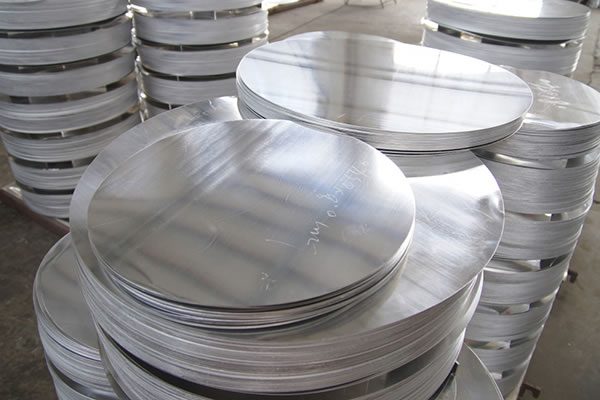
Aluminum round bars are cylindrical rods made of aluminum, a lightweight and corrosion-resistant metal. They come in various diameters and lengths and are commonly used in manufacturing, construction, and engineering applications.
Properties of Aluminum
- Lightweight: Aluminum has a low density, making it easy to handle and transport.
- Corrosion Resistance: Its natural oxide layer prevents rusting and degradation.
- High Strength-to-Weight Ratio: Aluminum is strong yet lightweight, ideal for structural applications.
- Good Conductivity: Excellent thermal and electrical conductivity compared to other metals.
Comparative Analysis: Aluminum vs. Other Metals

1. Aluminum vs. Steel
Steel is one of the most widely used metals in construction and manufacturing. While aluminum offers significant advantages, steel also has its own set of benefits and drawbacks.
- Weight: Aluminum is significantly lighter than steel, making it ideal for applications where weight is a concern.
- Strength: Steel has a higher tensile strength than aluminum, making it suitable for heavy-load applications.
- Corrosion Resistance: Steel is prone to rusting unless treated with coatings, while aluminum naturally resists corrosion.
- Cost: Steel is generally less expensive than aluminum, making it a preferred choice for budget-conscious projects.
For instance, in the automotive industry, aluminum is increasingly used to reduce vehicle weight and improve fuel efficiency, while steel remains a staple for structural components due to its strength.
2. Aluminum vs. Brass
Brass, an alloy of copper and zinc, is known for its machinability and aesthetic appeal. Here is how aluminum compares to brass:
- Corrosion Resistance: Brass is also corrosion-resistant but can tarnish over time, while aluminum maintains its appearance with minimal maintenance.
- Weight: Aluminum is lighter than brass, making it preferred for applications requiring reduced weight.
- Cost: Brass is generally more expensive than aluminum due to the cost of copper.
- Machinability: Brass has superior machinability, making it easier to work with for precision components.
Brass is often used in decorative items and plumbing fixtures, while aluminum is favored in aerospace and automotive applications due to its weight advantages.
3. Aluminum vs. Titanium
Titanium is renowned for its strength and resistance to corrosion but comes with a higher price tag. Here’s a comparison:
- Strength: Titanium is stronger than aluminum, making it suitable for high-performance applications.
- Weight: While titanium is lightweight, aluminum is still lighter, which can be essential in certain applications.
- Cost: Titanium is significantly more expensive than aluminum, limiting its use in cost-sensitive projects.
- Corrosion Resistance: Both metals offer excellent corrosion resistance, but titanium can withstand higher temperatures.
In aerospace applications, titanium is often used for components that require both strength and heat resistance, whereas aluminum is preferred for parts needing reduced weight.
Applications of Aluminum Round Bars
Aluminum round bars are used across various industries due to their advantageous properties. Here are some common applications:
- Aerospace: Used in aircraft components for their lightweight and strength characteristics.
- Automotive: Employed in engine parts and frames to enhance fuel efficiency.
- Construction: Utilized in structural components and decorative elements.
- Marine: Ideal for boat fittings and frames due to their corrosion resistance.
- Manufacturing: Used in machinery and fabrication due to their machinability.
Advantages and Disadvantages of Aluminum Round Bars
Advantages
- Lightweight: Facilitates easier handling and transportation.
- Corrosion Resistance: Reduces maintenance costs and extends product life.
- Recyclability: Aluminum can be recycled indefinitely without losing quality, promoting sustainability.
- Versatility: Suitable for a wide range of applications across various industries.
Disadvantages
- Lower Strength: Compared to steel and titanium, aluminum may not be suitable for high-stress applications.
- Cost: Generally more expensive than steel, which may affect budget decisions.
- Heat Sensitivity: Aluminum can lose strength at high temperatures, limiting its use in high-temperature applications.
Case Studies: Aluminum Round Bars in Action
Several case studies highlight the advantages of using aluminum round bars in various applications:
Case Study 1: Aerospace Industry
In the aerospace sector, Boeing has increasingly utilized aluminum alloys in their aircraft designs. The use of aluminum round bars has contributed to weight reduction, resulting in improved fuel efficiency and reduced emissions. The 787 Dreamliner, for instance, incorporates aluminum components to achieve a balance between weight and strength.
Case Study 2: Automotive Industry
Ford’s use of aluminum in the F-150 truck lineup has revolutionized the pickup market. By switching to aluminum round bars for the truck’s body and frame, Ford has managed to reduce the vehicle’s weight by over 700 pounds, leading to better fuel economy and performance without compromising safety.
In summary, aluminum round bars offer a unique combination of lightweight, corrosion resistance, and versatility that makes them a popular choice across various industries. While they have advantages over other metals like steel, brass, and titanium, it is essential to consider the specific application and requirements when making material choices. Each metal has its strengths and weaknesses, and understanding these will help manufacturers and engineers make informed decisions that align with their project needs.
Ultimately, aluminum round bars represent an excellent option for applications where weight savings, corrosion resistance, and recyclability are priorities. As industries continue to evolve and demand more sustainable and efficient materials, aluminum will likely remain a critical player in the global manufacturing landscape.