In an era where health and wellness are at the forefront of consumer concerns, the cleanliness of fruits and vegetables has never been more crucial. With rising awareness about pesticide residues, bacterial contamination, and the overall importance of a clean diet, many individuals are turning to DIY solutions for washing their produce. This article explores effective natural recipes for fruit and vegetable washes, the rationale behind their use, and tips for ensuring your produce is as clean and healthy as possible.
The Importance of Washing Produce

Research suggests that washing fruits and vegetables can significantly reduce the presence of harmful residues and pathogens. According to the Centers for Disease Control and Prevention (CDC), approximately 48 million people in the United States get sick from foodborne illnesses each year, with many cases linked to contaminated produce.
- Washing can remove dirt, bacteria, and pesticide residues.
- It helps in enhancing the flavor and longevity of produce.
- It promotes a healthier lifestyle by reducing health risks associated with contaminated food.
Commercial vs. DIY Washes: Why Go Natural?
While commercial produce washes are available in grocery stores, many contain chemicals that may not align with the preferences of health-conscious consumers. Here are some reasons to consider DIY solutions:
- Cost-Effective: Homemade washes are often cheaper than store-bought options.
- Natural Ingredients: DIY solutions rely on safe, natural ingredients without harmful additives.
- Customizable: You can modify recipes based on your preferences and available ingredients.
Effective DIY Vegetable and Fruit Wash Recipes

Creating a natural wash for your produce is simple and can be done with ingredients you likely have at home. Here are some effective recipes:
1. Vinegar and Water Solution

Vinegar is a powerhouse when it comes to cleaning. Its acetic acid can kill bacteria and pests.
- Ingredients: 1 part white vinegar to 3 parts water.
- Instructions: Mix in a bowl or spray bottle. Soak or spray the produce, then rinse thoroughly with water.
2. Baking Soda Wash
Baking soda is effective in removing pesticides and dirt from surfaces.
- Ingredients: 1 teaspoon of baking soda in 2 cups of water.
- Instructions: Soak fruits and vegetables for about 15 minutes, then scrub and rinse under running water.
3. Lemon Juice and Water Solution

Lemon juice not only adds a fresh scent but also has antibacterial properties.
- Ingredients: Juice of 1 lemon mixed with 2 cups of water.
- Instructions: Spray or soak produce for 5-10 minutes, then rinse well.
4. Saltwater Solution
Salt can help draw out impurities and kill bacteria.
- Ingredients: 1 tablespoon of salt in 1 quart of water.
- Instructions: Soak produce for 10-15 minutes, scrub, and rinse thoroughly.
How to Use Your DIY Wash Effectively
To maximize the effectiveness of your DIY wash, consider the following tips:
- Soak Time: Allow produce to soak for enough time to loosen dirt and residues.
- Scrubbing: Use a soft brush to scrub hard-skinned fruits and vegetables.
- Rinse Thoroughly: Always rinse with clean water after washing to remove any residue from the wash solution.
- Drying: Use a clean towel or let air dry to further reduce bacteria.
Common Myths About Washing Produce
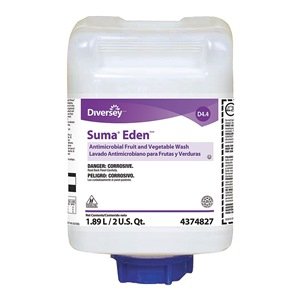
Despite the importance of washing produce, several myths persist that can lead to inadequate cleaning. Here are some of the most common misconceptions:
- Myth: Washing with soap is necessary.
- Fact: Soap can leave harmful residues; it’s best to stick to natural washes.
- Myth: All produce should be washed the same way.
- Fact: Delicate fruits like berries should be washed gently, while harder vegetables can withstand scrubbing.
Case Studies: The Effectiveness of Natural Washes
Various studies have explored the effectiveness of natural washes compared to water alone. For instance, a study published in the Journal of Food Protection found that a vinegar solution reduced the number of E. coli bacteria on lettuce by 90%, while a baking soda solution was found to be effective in removing pesticide residues from apples.
These studies underscore the importance of using natural washes to enhance food safety. As consumers become more informed, there is a growing shift towards natural cleaning methods that align with health goals.
Embrace Clean Eating with DIY Solutions

As we strive for a healthier lifestyle, understanding the importance of clean produce is paramount. DIY vegetable and fruit washes offer effective and natural solutions for ensuring our food is safe to eat. By utilizing simple ingredients like vinegar, baking soda, and lemon, we can significantly reduce harmful residues and bacteria, promoting better health outcomes.
Implementing these natural washing techniques not only enhances the flavor and appearance of fruits and vegetables but also aligns with a sustainable and health-conscious lifestyle. Remember, the key to clean produce lies in the method—so embrace these DIY solutions and enjoy the peace of mind that comes with knowing your food is clean and safe.