Muscle pain is a common ailment that affects people of all ages and lifestyles. It can stem from various causes, including overexertion during exercise, injuries, or even stress. In the quest for relief, many individuals turn to topical treatments, with red hot ointment emerging as a popular choice. This article will explore the benefits, ingredients, application methods, and efficacy of red hot ointment as a remedy for muscle pain.
Understanding Muscle Pain
Before delving into the specifics of red hot ointment, it’s essential to understand muscle pain itself. Muscle pain, or myalgia, can manifest in different forms and intensities, often categorized as:
- Acute Pain: Sudden onset, often due to injury or overexertion.
- Chronic Pain: Persistent pain that lasts for weeks or months, often linked to underlying health issues.
- Localized Pain: Pain confined to a specific area, usually resulting from a strain or sprain.
- Generalized Pain: Widespread discomfort that may be associated with conditions like fibromyalgia.
Addressing muscle pain promptly is crucial to prevent it from becoming a chronic issue. Various remedies exist, but topical ointments like red hot ointment have gained popularity due to their effectiveness and ease of use.
What is Red Hot Ointment?
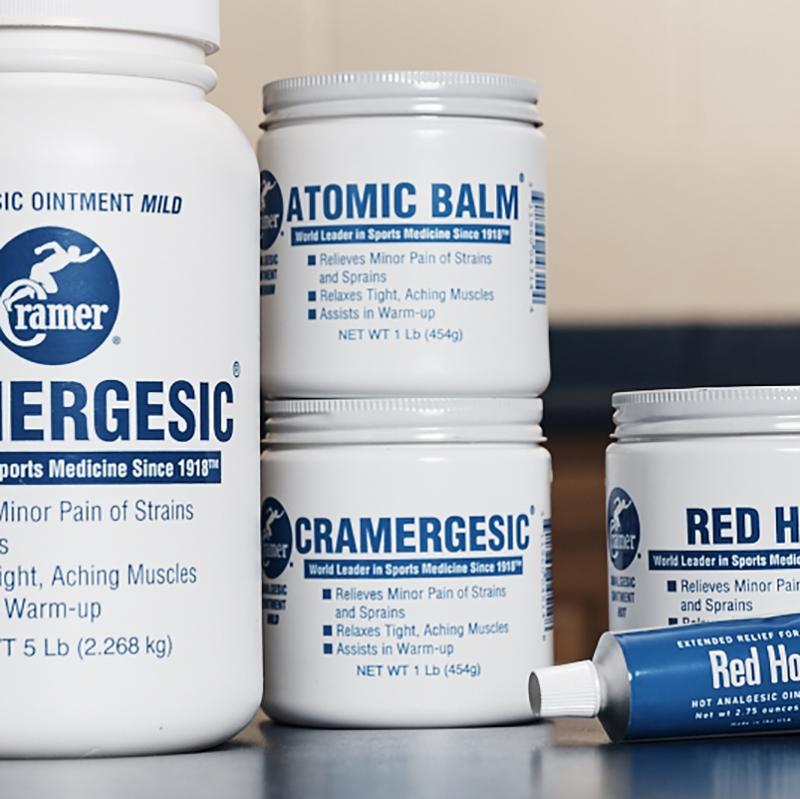
Red hot ointment is a topical analgesic that typically combines active ingredients known for their warming and soothing properties. Often infused with capsaicin (the active component in chili peppers), menthol, and other herbal extracts, this ointment works by increasing blood flow and delivering a warming sensation that helps alleviate muscle discomfort.
Key Ingredients and Their Benefits
The effectiveness of red hot ointment can be attributed to its key ingredients, each playing a vital role in pain relief. Here are some common components:
- Capsaicin: Derived from chili peppers, capsaicin is known for its pain-relieving properties. It works by temporarily desensitizing pain receptors and reducing the perception of pain.
- Menthol: This cooling agent provides an immediate soothing sensation. It also stimulates blood circulation and can help reduce inflammation.
- Eucalyptus Oil: Known for its anti-inflammatory properties, eucalyptus oil can assist in relieving sore muscles and enhancing overall relaxation.
- Wintergreen Oil: With its natural analgesic properties, wintergreen oil helps reduce muscle tension and discomfort.
How Red Hot Ointment Works
The mechanism of action for red hot ointment involves a combination of warming and cooling sensations. When applied to the skin, the menthol induces a cooling effect initially, followed by a warming sensation as blood flow increases. This dual action can help:
- Relieve muscle tension and stiffness.
- Promote relaxation and reduce stress-related muscle tightness.
- Enhance recovery post-exercise by increasing circulation to sore muscles.
Application Methods

For optimal results, proper application of red hot ointment is crucial. Here are some recommended steps to follow:
- Clean the Area: Ensure that the skin is clean and dry before applying the ointment.
- Apply a Small Amount: Use a pea-sized amount of ointment and gently massage it into the affected area.
- Wash Hands After Use: Always wash your hands thoroughly after applying the ointment to avoid transferring it to sensitive areas, such as your eyes.
- Frequency: Use as directed on the packaging, typically 3 to 4 times a day for the best results.
Case Studies and Research Insights
Numerous studies and anecdotal evidence support the effectiveness of red hot ointment in alleviating muscle pain. A study published in the Journal of Pain Research found that participants using capsaicin cream experienced a significant reduction in pain levels compared to those using a placebo. Additionally, a clinical trial examining menthol-based topical analgesics revealed that they effectively reduced pain intensity in patients with muscle strains.
Furthermore, many athletes and fitness enthusiasts report that using red hot ointment post-exercise aids in recovery and reduces muscle soreness, demonstrating its value as a go-to remedy for muscle pain.
Safety and Precautions

While red hot ointment is generally safe for most individuals, some precautions should be taken:
- Patch Test: Always conduct a patch test to check for allergic reactions before applying it to larger areas of the body.
- Avoid Sensitive Areas: Do not apply the ointment to broken skin, open wounds, or mucous membranes.
- Consult a Doctor: If you are pregnant, nursing, or have underlying health conditions, consult with a healthcare professional before use.
Real-Life Testimonials

Many users have shared their success stories regarding red hot ointment. Here are a few examples:
- Sarah, 32: “After a tough workout, my muscles were sore, and I struggled to recover. A friend suggested red hot ointment, and I was amazed at how quickly it worked! I felt relief within minutes.”
- Mark, 45: “As someone who sits at a desk all day, I often experience back pain. Using red hot ointment has helped me manage that discomfort effectively.”
- Linda, 29: “I use it after running, and it has become an essential part of my post-workout routine. The warming sensation is soothing, and it helps me feel ready for my next run.”
Red hot ointment stands out as a reliable remedy for alleviating muscle pain, thanks to its potent combination of active ingredients that provide both warming and cooling effects. With its ability to enhance blood flow and reduce discomfort, this topical analgesic is particularly beneficial for athletes and anyone dealing with muscle soreness.
As with any treatment, it’s essential to consider individual needs and consult a healthcare professional when necessary. By understanding how red hot ointment works, following proper application methods, and considering personal health factors, individuals can effectively manage muscle pain and enhance their overall well-being.
In summary, red hot ointment is a practical and effective solution for muscle pain relief, making it a valuable addition to any pain management toolkit.