The Santa hat, a quintessential symbol of Christmas cheer, transcends borders and cultures, embodying the spirit of the holiday season. Its iconic red and white design is instantly recognizable, but did you know that different cultures have unique variations and customs associated with Santa hats? In this article, we will explore the fascinating global variations of Santa hats, their historical significance, and the customs that accompany them during the festive season.
The Origins of the Santa Hat
Before we delve into the variations around the world, it is essential to understand the origins of the Santa hat. The traditional Santa hat is believed to have roots in the attire of St. Nicholas, a 4th-century Greek bishop known for his generosity. The red color symbolizes warmth and joy, while the white fur trim represents purity and innocence. The hat has evolved over the centuries, becoming an iconic emblem of Christmas celebrations worldwide.
Variations of Santa Hats Around the World
While the classic red and white Santa hat is widely recognized, various cultures have adapted the design to reflect their unique customs and traditions. Here are some notable variations:
- The Scandinavian Nisse Hat: In Scandinavian countries, such as Norway and Denmark, the Santa hat often resembles a small, pointed conical cap. This version is worn by the “Nisse,” a mythical creature akin to Santa Claus, who is said to bring gifts to children during the festive season.
- The Mexican Sombrero: In Mexico, traditional Santa hats may incorporate elements of the sombrero, a wide-brimmed hat that is a symbol of Mexican culture. These hats are often adorned with colorful decorations and are worn during festive gatherings and celebrations.
- The Japanese Santa Hat: In Japan, Santa hats are often used in combination with traditional attire. For example, it is common to see Santa hats worn with kimonos, merging Western Christmas customs with Japanese cultural elements.
- The South African Santa Hat: In South Africa, the Santa hat may be adorned with vibrant patterns and colors, reflecting the country’s rich cultural diversity. Some variations even include local fabrics and beadwork, making them unique to specific regions.
Customs and Traditions Associated with Santa Hats

Beyond the hats themselves, various customs and traditions emerge during the holiday season that celebrate the spirit of giving and joy. Here are some customs associated with the Santa hat in different cultures:
- Gift Giving: In many cultures, wearing a Santa hat signifies the act of giving. Children often don Santa hats during gift exchanges, embodying the joy of sharing and receiving presents.
- Festive Gatherings: In places like Scandinavia, people wear Santa hats during family gatherings, holiday parties, and community events. These gatherings are characterized by food, music, and the warmth of togetherness.
- Charitable Acts: In some cultures, wearing a Santa hat is linked to charitable activities. For instance, in the United States, many charitable organizations encourage people to wear Santa hats during fundraising events, symbolizing the spirit of giving during the holiday season.
- Holiday Parades: In several countries, Santa hats are a staple accessory during Christmas parades. Participants often wear the hats as they march through the streets, spreading holiday cheer and engaging with the community.
Case Studies: Santa Hats in Unique Cultural Contexts

To provide a deeper understanding of the cultural significance of Santa hats, let’s explore a few case studies from different regions:
1. Santa Claus in the United States
In the United States, the Santa hat has become a symbol of the Christmas season, especially in commercial contexts. Retailers often encourage customers to wear Santa hats during holiday shopping events to create a festive atmosphere. According to a survey conducted by the National Retail Federation, around 40% of Americans wear holiday-themed attire, including Santa hats, during the Christmas season. This trend illustrates how the Santa hat has become intertwined with American holiday culture.
2. Santa’s Little Helpers in Germany
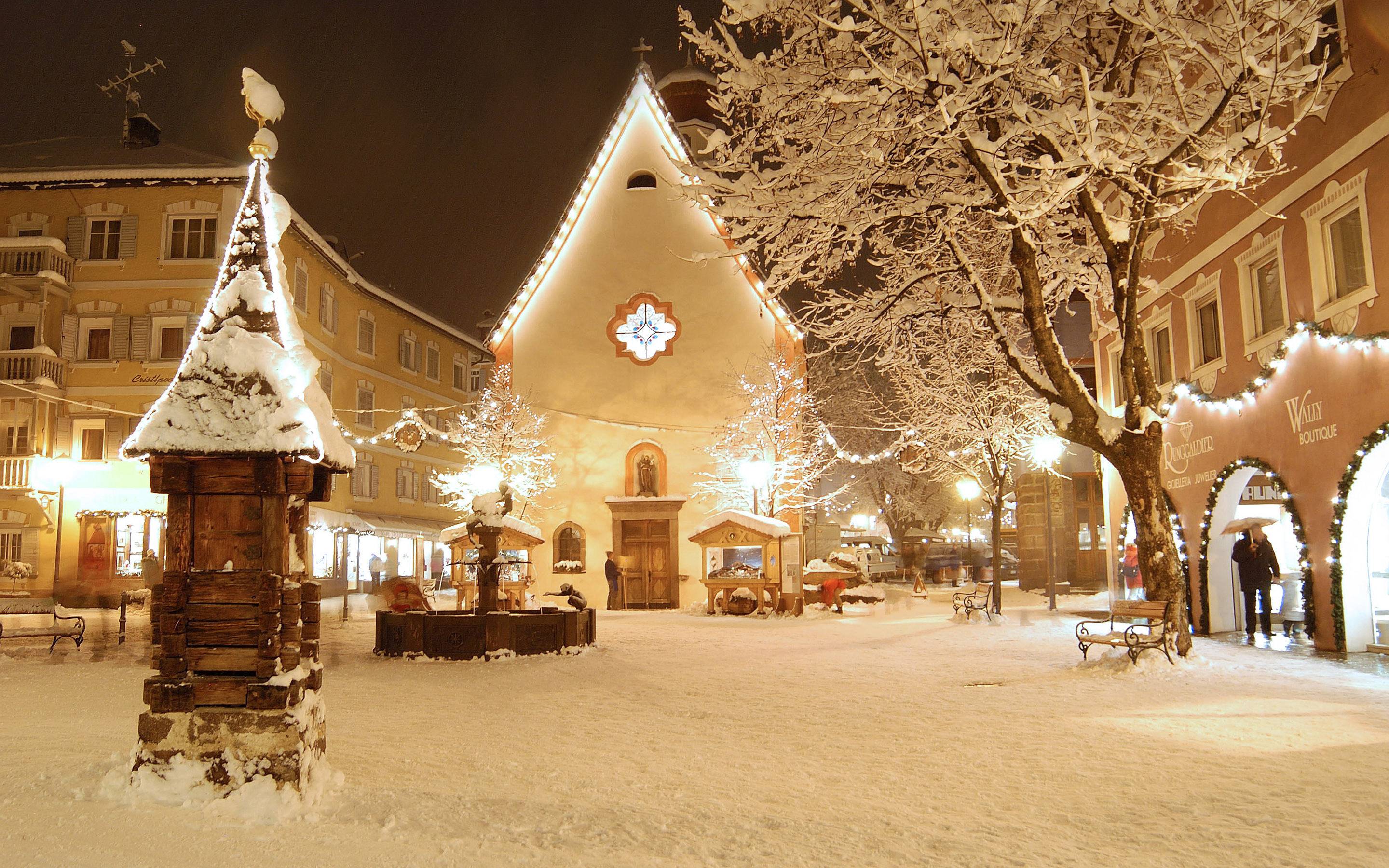
In Germany, the tradition of wearing Santa hats extends beyond just Santa Claus. Children and adults alike dress up as “Knecht Ruprecht,” Santa’s helper, often donning Santa hats as part of their festive attire. This tradition highlights the cultural significance of community involvement during the holidays, where people come together to celebrate and spread joy. Many German cities host Christmas markets where visitors can see locals wearing Santa hats while enjoying seasonal treats.
3. The Role of Santa Hats in Australian Christmas
![🔥 [78+] Christmas Tree Wallpapers Free WallpaperSafari](https://cdn.wallpapersafari.com/97/98/BDyt8p.jpg)
In Australia, Christmas falls during the summer months, leading to unique variations in holiday attire. Instead of traditional winter clothing, Australians often wear lighter versions of Santa hats, sometimes adorned with tropical designs. This reflects the local climate and lifestyle, showcasing how cultural adaptations create a distinct holiday experience. The Australian tradition of wearing Santa hats during beach barbecues and outdoor celebrations emphasizes the importance of family and community during the festive season.
The Economic Impact of Santa Hat Sales

The popularity of Santa hats has not only cultural significance but also economic implications. The global market for Christmas-themed apparel, including Santa hats, has seen substantial growth. According to a report by Market Research Future, the Christmas apparel market is projected to reach USD 7.7 billion by 2025, with Santa hats being a significant contributor to this growth. Retailers capitalize on the festive spirit by offering a variety of designs, materials, and price points to cater to diverse consumer preferences.
Celebrating the Spirit of Christmas Worldwide

In conclusion, the Santa hat serves as a powerful symbol of Christmas that transcends cultural boundaries. While the classic red and white design remains a staple, various cultures have embraced and adapted the Santa hat to reflect their unique traditions and customs. From the Scandinavian Nisse hat to the vibrant South African variations, these adaptations enrich the holiday experience, showcasing the diversity of celebrations around the world.
As we continue to celebrate the holiday season, the Santa hat remains a timeless emblem of joy, generosity, and community spirit. Whether worn during festive gatherings, charitable events, or holiday parades, the Santa hat unites people in the shared celebration of love and togetherness. This holiday season, consider donning your Santa hat and embracing the global spirit of Christmas!